
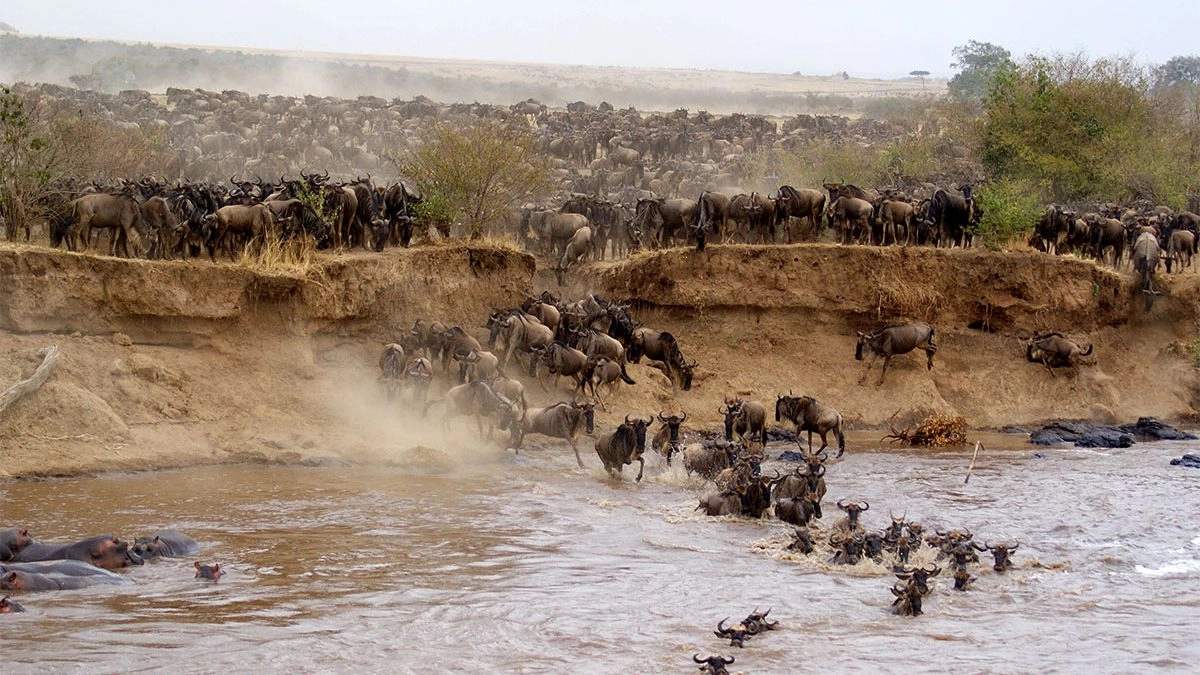
There's a word making the rounds in every major travel trend report this year: anti-tourism. It's not about avoiding travel — it's about avoiding the crowds, the queues, and the destinations that have been loved almost to death.
If your idea of a dream trip no longer includes elbowing through a piazza for a photo, you're not alone.Travelers everywhere are rewriting the rulebook, and we're here to show you how to travel with it.
What Is "Anti-Tourism," Exactly?
Anti-tourism describes a shift away from overcrowded, oversaturated hotspots toward quieter, lesser-known destinations that offer something increasingly rare: authenticity. Instead of chasing the same landmarks as ten million other visitors, travelers are searching for secondary cities, rural regions, and local-first experiences that haven't been reshaped by mass tourism.
This isn't a niche movement anymore — it's mainstream. Search interest in accommodations outside traditional tourist hubs is climbing significantly faster than interest in the hubs themselves, particularly across Asia, as travelers actively seek destinations that feel undiscovered.
Why Travelers Are Making the Switch A few forces are driving this shift at once:
1. Overtourism fatigue is real. Iconic destinations have become victims of their own popularity — long lines, inflated prices, and a diluted sense of place. Travelers are tired of paying premium prices for a crowded, rushed experience.
2. People want to feel something, not just see something. The travel industry's biggest 2026 reports agree on one point: experience is replacing sightseeing. Travelers increasingly value the skills, stories, and connections a trip leaves them with over the souvenirs or checklist photos. Many are deliberately leaving room in their itineraries for spontaneous, unplanned discoveries rather than following a rigid tourist trail.
3. Climate and comfort matter more. More travelers are timing trips around milder, more stable weather and choosing destinations — and seasons — that reduce environmental strain, rather than defaulting to peak-season crowds.
4. Conservation-led travel is replacing "nature on demand." This is especially visible in wildlife tourism, where travelers are shifting from fast-paced, box-ticking excursions toward slower experiences that actively support conservation and local communities.
What This Means for How You Should Plan Your Next Trip If the old playbook was "hit the top 10 landmarks in 5 days," the new one looks more like this: Choose secondary destinations over saturated ones.
For every overcrowded capital, there's a nearby region offering the same culture and scenery with a fraction of the foot traffic.
Travel in the shoulder season. Milder weather, thinner crowds, and often better rates. Prioritize small-group or private experiences. Fewer people means more access — to local guides, hidden viewpoints, and conversations you'd never have in a crowd of fifty. Build in unstructured time. Some of the best travel moments aren't on the itinerary at all.
Ask where your money goes. Conservation-led and community-based tours put tourism dollars directly into the places and people you're visiting.
How We Build Anti-Tourism Trips This is exactly the kind of travel we specialize in. Every itinerary we design is built around three principles: Fewer crowds, more access. We route around peak-season bottlenecks and oversaturated attractions in favor of destinations and timing that let you actually experience a place. Small groups, real connection.
Our tours are capped to keep the experience personal — with local guides who know the region, not a script.
Purposeful, not just picturesque. We partner with community-based and conservation-focused operators so your trip supports the destinations you visit, not just the highlight reel. Whether you're dreaming of a quiet alpine village instead of a packed ski resort, a slower wildlife safari instead of a convoy of jeeps, or a secondary city instead of the capital everyone already knows — we can build that trip.
Ready to Travel Differently? The most memorable trips in 2026 won't be the ones with the most famous backdrop. They'll be the ones that felt like they were made for you.
Get in touch to start planning a trip built around where the crowds aren't.
Frequently Asked Questions
What does "anti-tourism" mean? Anti-tourism refers to a travel approach that favors quieter, less-visited destinations and authentic local experiences over crowded, mainstream tourist hotspots.
Is anti-tourism the same as sustainable travel?
They overlap significantly. Both prioritize reducing strain on popular destinations, but anti-tourism is specifically about where and how you travel, while sustainable travel also covers environmental and community impact more broadly.
How do I find off-the-beaten-path destinations?
Look for secondary cities near popular hubs, travel during shoulder season, and work with tour operators who specialize in small-group or community-based itineraries rather than mass-market packages.