Everyone knows the Maasai Mara. Fewer people know that some of the finest safari experiences in the entire ecosystem don't happen inside the reserve at all — they happen just beyond its borders, in a patchwork of private and community-owned conservancies that quietly do things the main reserve simply can't.
If you've pictured a Mara game drive and imagined a dozen vehicles crowded around a single leopard, the conservancies are the antidote. Here's what they are, why they matter, and which ones to consider for your next trip.
What Exactly Is a Conservancy?
A conservancy is privately or community-owned land bordering the Maasai Mara National Reserve, leased from local Maasai landowners and managed specifically for low-density, low-impact tourism. In exchange for steady lease income, local communities set aside their land for wildlife rather than farming or dense settlement — a model that's become one of East Africa's most successful examples of conservation working hand-in-hand with community livelihoods.
For visitors, the payoff is simple: dramatically fewer vehicles, stricter guest limits, and privileges the main reserve doesn't allow.
What You Can Do in a Conservancy That You Can't in the Reserve
- Night game drives — spot nocturnal predators like leopard, hyena, and genet, impossible to see on a standard reserve game drive
- Guided walking safaris — experience the bush on foot with an armed ranger, tracking signs most vehicles would drive straight past
- Off-road driving — conservancy guides can leave the tracks to get closer to a sighting, within reason and with care for the land
- Bush dinners and sundowners — many camps set these up away from the main lodge, somewhere quiet and completely private
- A genuinely low vehicle count at sightings — most conservancies cap the number of vehicles allowed at any single sighting, often to just a handful
The Conservancies of the Greater Mara
There are more than twenty conservancies scattered around the Maasai Mara ecosystem in various stages of development, but a core group consistently delivers the best camps, the strongest wildlife, and the most polished guiding. Here's the full rundown, grouped roughly by where they sit around the reserve.
North of the Reserve
Mara North Conservancy One of the largest and most established conservancies, spanning roughly 74,000 acres. Known for resident lion prides, strong predator sightings, and a good mix of open plains and riverine forest.
Olare Motorogi Conservancy A smaller, highly exclusive conservancy northwest of the reserve, favored by photographers for its predator activity and relatively open terrain that makes for clean, uncluttered sightings.
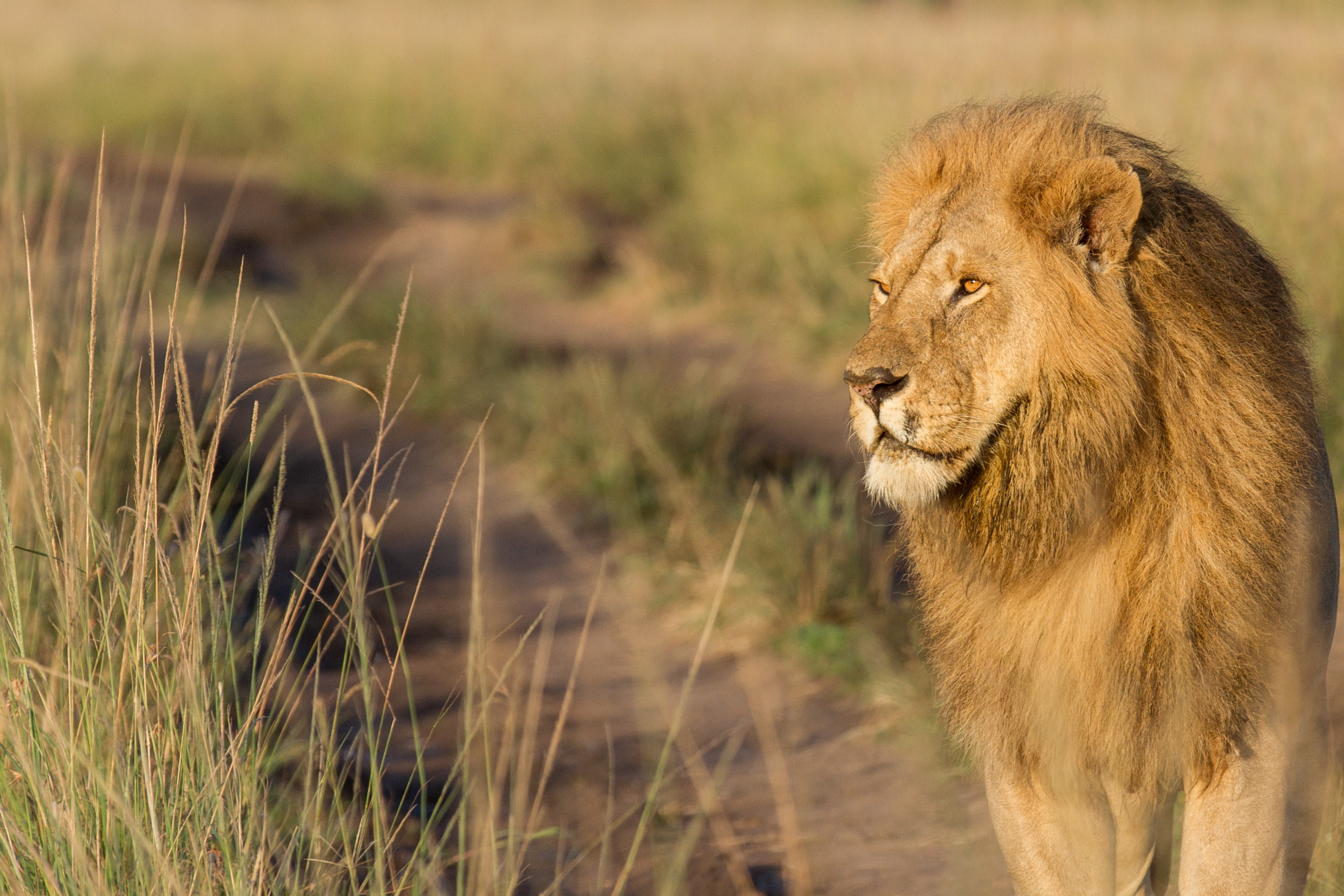
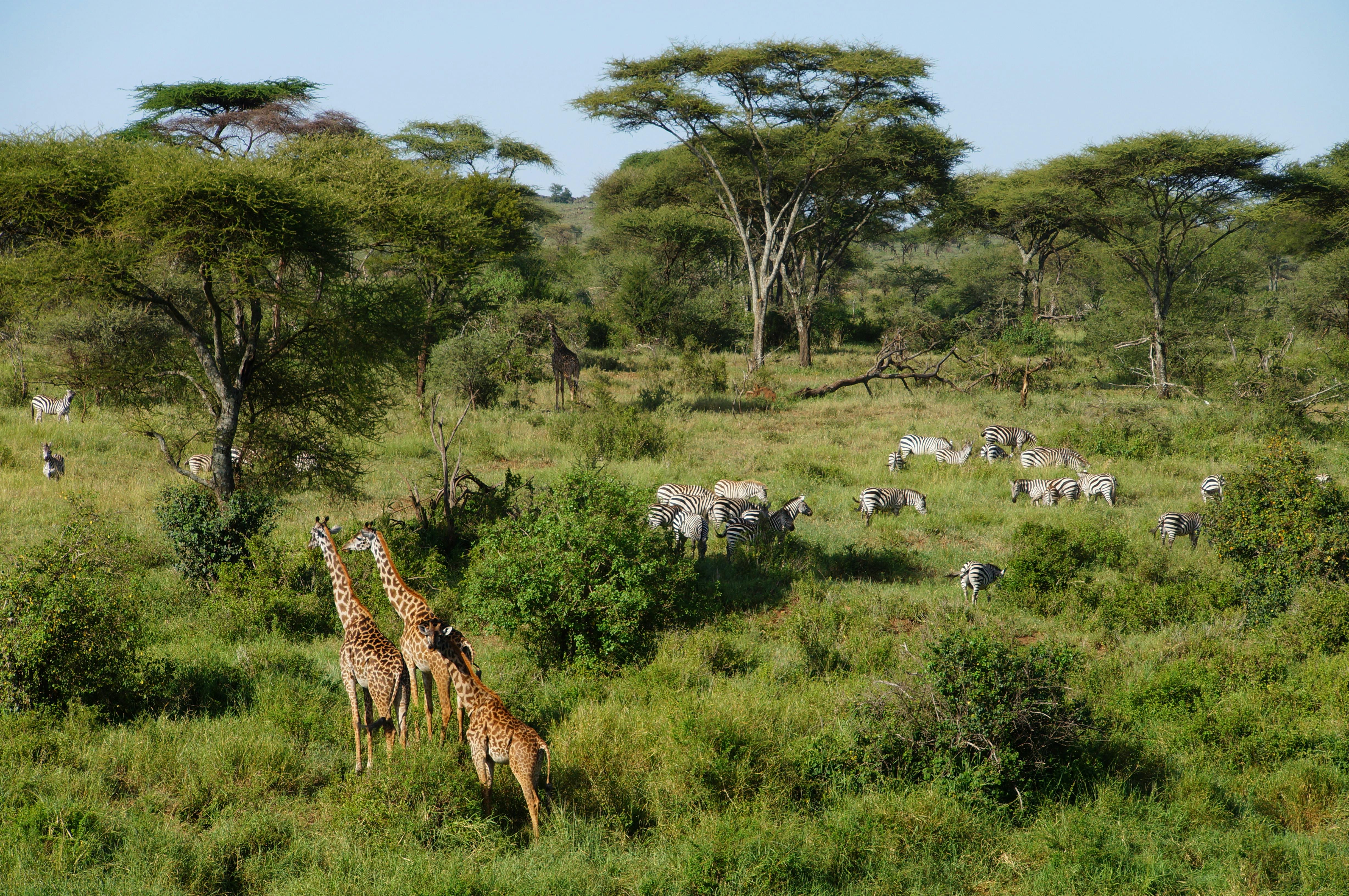
Naboisho Conservancy Home to one of the highest lion densities in the entire region. Naboisho also sees the Loita migration — a lesser-known wildebeest and zebra movement between the Loita Hills, the reserve, and Mara North — making it a strong year-round choice.
Ol Kinyei Conservancy One of the original Mara conservancies and still one of the most unspoiled, with a handful of small, earthy camps and a genuinely wild, uncrowded feel.
Lemek Conservancy A quieter conservancy bordering Mara North, offering a similar wilderness feel with fewer camps and even more breathing room.
Pardamat Conservation Area A newer addition on the Mara's northern edge, developed to extend protected habitat and wildlife corridors as the ecosystem's conservancy network has grown.
South and East of the Reserve
Siana Conservancy Positioned on the eastern boundary of the Mara, Siana offers a mix of woodland and open savannah, with a more remote, off-the-beaten-path feel.
Olderkesi Conservancy A community-led conservancy on the reserve's southeastern edge, known for its strong partnership model between camps and the local Maasai community.
Mara Siana / Mara Southeast A remote conservancy area east of the reserve, home to a small number of upmarket camps and excellent walking safari terrain.
Enonkishu Conservancy A conservation and regenerative-grazing project on the Mara's northern edge, blending wildlife tourism with working cattle grazing — an interesting stop for travelers curious about coexistence models between livestock and wildlife.
Nashulai Conservancy Kenya's first community-owned and community-run conservancy, managed entirely by the Maasai community itself rather than leased to outside operators — a meaningful stop for culturally minded travelers.
Partakilat Conservancy A smaller, secluded conservancy offering a quiet, exclusive alternative for travelers wanting to escape the more established camps elsewhere in the ecosystem.
Conservancy vs. Reserve: Which Should You Choose?
The honest answer is: ideally, both. Many travelers split their stay — a few nights in a conservancy for the quieter, more immersive experience, and a few nights in the main reserve, particularly if visiting during migration season when river crossings are concentrated within the reserve and Mara Triangle.
Conservancies typically come with a separate conservancy fee on top of standard park charges, reflecting the lower guest density and added activities on offer. For travelers prioritizing exclusivity and flexibility over chasing migration crossings, that fee tends to be well worth it.
Best Time to Visit
Conservancies offer strong game viewing year-round, since resident wildlife doesn't depend on the migration the way the main reserve's peak season does. That said, the general Mara patterns still apply:
- July to October — peak season, with the added bonus of fewer crowds than the reserve even at its busiest
- January to March — a quieter, excellent-value window with good predator activity
- April to May — lush, green, and ideal for travelers who don't mind occasional rain in exchange for lower rates
If your idea of a dream safari involves open plains without a traffic jam of vehicles, a lion sighting at dusk from the open back of a game-viewer, or a walk through the bush with nothing but birdsong for company, the conservancies are where that dream actually happens. They're not a consolation prize to the main reserve , for many seasoned safari travelers, they're the main event.
wildaxistours@gmail.com
+254740243341