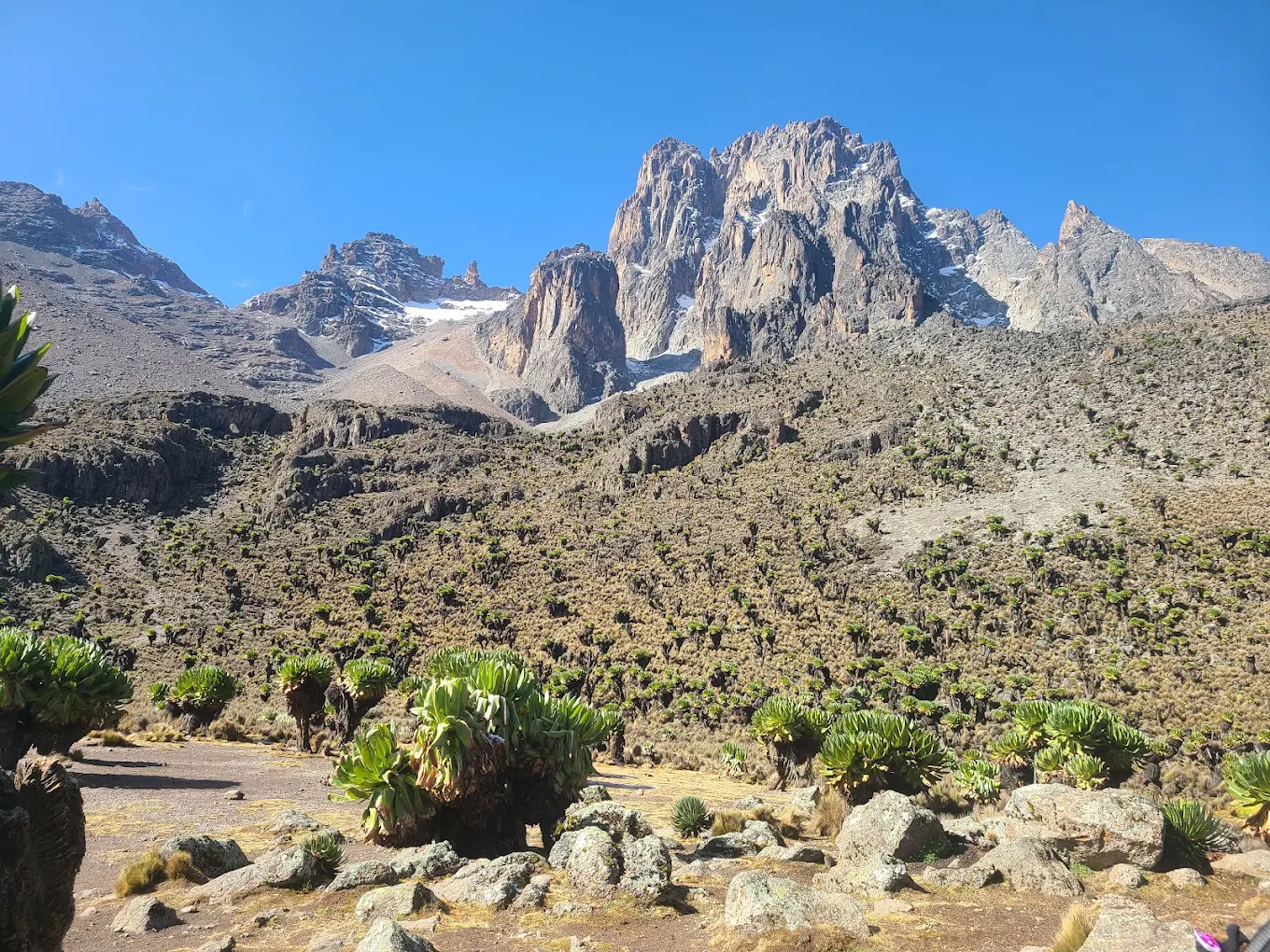
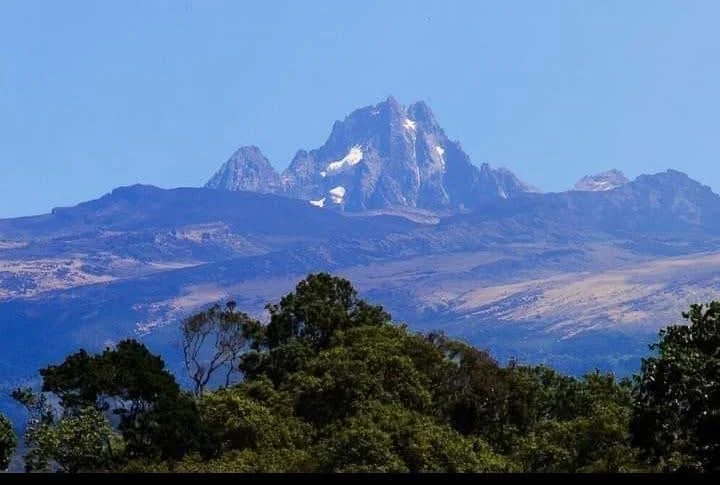
Mount Kenya doesn't get the global name recognition of Kilimanjaro, and that's exactly its appeal — dramatic glacial valleys, alpine lakes, and a summit trek that rarely feels crowded. But before you book, there's one decision that shapes your entire trip: which route up the mountain.
There are six recognized access routes onto Mount Kenya, but almost every trekker chooses between three: **Sirimon, Chogoria, and Naro Moru**.
Here's how they actually compare, and how to pick — or combine — the right ones for your trip.
The Three Main Routes, Compared:
Sirmon Route — Best for Acclimatization Approaching from the northwest, Sirimon has the most gradual ascent profile of the three main routes, climbing through forest, moorland, and alpine valleys before reaching high camps like Old Moses and Shipton's Camp. That gentler gradient gives your body more time to adjust to altitude, which is why Sirimon has the highest summit success rate of the three routes — and why most operators use it as the ascent leg of a trek.
Chogoria Route — Best for Scenery Widely considered the most beautiful way onto the mountain, Chogoria approaches from the east and winds through the dramatic Gorges Valley, past Lake Ellis and the striking Lake Michaelson, with waterfalls and alpine valleys lining the trail. Because of its beauty — and its steeper, rougher sections — Chogoria is most often used as a descent route rather than an ascent, letting trekkers take in the scenery at a more relaxed pace on the way down.
Naro Moru Route — Fastest, but Toughest The most direct route up the mountain, approaching from the west. It's the fastest way to Point Lenana, but that speed comes at a cost: the infamous **"Vertical Bog"** — a steep, muddy ascent through tussock grassland that tests both fitness and morale, especially in wet conditions. It's a solid choice for fit trekkers on a tight schedule, but the steep gradient makes it more prone to altitude issues for those who ascend too quickly.
The Route Most Experienced Trekkers Actually Recommend Rather than choosing just one, most seasoned climbers combine two routes — ascending via Sirimon for better acclimatization, then descending via Chogoria for the scenery, or via Naro Moru for a faster exit. This "up one way, down another" approach is widely considered the best way to experience Mount Kenya, since it avoids retracing your own footsteps and maximizes both safety and views.
How Long Does It Take? Most treks to **Point Lenana (4,985m)** — the highest point reachable without technical climbing gear — take **3 to 5 days**, depending on route and acclimatization schedule. If you're aiming for the true summits, Batian (5,199m) or Nelion (5,188m), you're looking at a proper technical climb requiring ropes, a harness, and a licensed mountaineering guide, with 7 to 10 days typically budgeted.
What It Costs in 2026 Pricing varies by route, group size, and accommodation choice, but as a general guide: -
**Day hikes:** from around $190 per person
**Standard 4–5 day trek to Point Lenana:** roughly $900–$1,400 per person, typically including transport from Nairobi, park fees, meals, guide, cook, and porters -
**9-day technical Batian/Nelion traverse:** upwards of $2,600 per person Park entry fees run approximately $60–80 per person, per 24 hours, plus a rhino sanctuary fee of around $10 per person on routes entering via Sirimon or Naro Moru, which supports the mountain's black rhino protection efforts. A registered guide is mandatory for all multi-day treks under Kenya Wildlife Service rules.
**Accommodation note:** the Sirimon side has huts available (Old Moses Camp, Shipton's Camp) as an optional upgrade, while the Chogoria side is camping-only — worth factoring in if hut accommodation matters to your comfort level.
Best Time to Climb Mount Kenya The two dry windows — **January to March** and **July to October** — offer the most stable conditions and the best summit odds. Outside these windows, the Vertical Bog sections in particular become significantly more difficult, and visibility on the scenic Chogoria stretches drops with cloud cover.
What to Pack Altitude and weather shift fast on Mount Kenya, often within the same day: - **Base layers:** merino wool, not cotton — cotton holds moisture and becomes miserable above 3,500m - **Insulation:** a down or synthetic jacket for the summit push - **Shell:** a genuinely waterproof outer layer — afternoon rain arrives with little warning - **Boots:** waterproof, ankle-supporting, and already broken in before you arrive - **Sleeping bag:** many Kenya trek operators don't provide one as standard — confirm in advance, and rent in Nairobi if needed, since options at the gate are limited
Plan Your Mount Kenya Trek With Us Route choice, acclimatization pacing, and permit logistics are the details that make or break a Mount Kenya trek — and they're exactly what we handle for you. We build itineraries around the Sirimon ascent / Chogoria descent combination for most trekkers, with faster or more technical options available for experienced climbers.
Get in touch to start planning your climb.
Frequently Asked Questions
Which Mount Kenya route is best for beginners?
Sirimon is generally recommended for first-time high-altitude trekkers, thanks to its gradual ascent profile and higher summit success rate compared to Naro Moru or Chogoria.
How long does it take to climb Mount Kenya?
Most treks to Point Lenana take 3 to 5 days. A technical climb to the true summits, Batian or Nelion, typically takes 7 to 10 days and requires a licensed mountaineering guide.
Do I need a guide to climb Mount Kenya?
Yes. Kenya Wildlife Service regulations require a registered guide for all multi-day treks in Mount Kenya National Park.
What is the best time of year to climb Mount Kenya?
The two dry seasons, January–March and July–October, offer the most stable weather and the best trekking conditions.