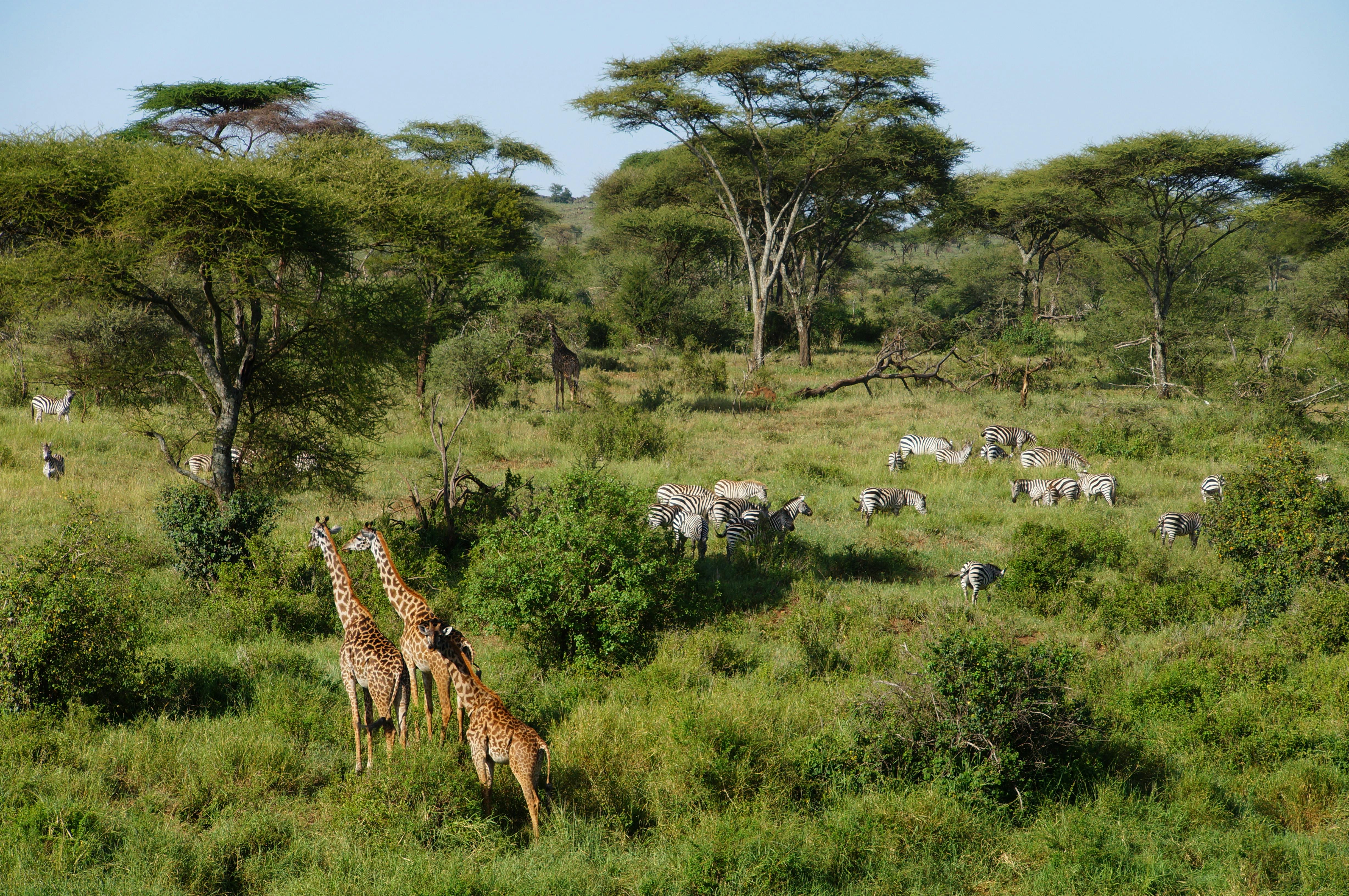
Every year, over a million wildebeest and hundreds of thousands of zebra move between Tanzania's Serengeti and Kenya's Masai Mara in search of fresh grazing. It's the largest overland migration on Earth, and for safari travelers, timing your visit right can mean the difference between a good safari and the safari of a lifetime. If you're planning a Kenya trip around the migration, here's what you actually need to know.
July to October: Peak Migration Season in the Masai Mara This is when the herds cross into Kenya, and it's the window most people mean when they say "migration season." The Mara River crossings — where wildebeest plunge into crocodile-infested waters to reach the other side — happen most reliably from late July through September. October often still has strong numbers before the herds start drifting back south. This is peak season, which means peak prices and peak crowds at the main river crossing points. Private conservancies bordering the reserve (Mara North, Naboisho, Olare Motorogi) offer the same wildlife with far fewer vehicles, which is where a tailored itinerary makes a real difference over a fixed group tour.
January to March: The Calving Season Alternative Fewer travelers know this window exists, but it's arguably just as dramatic. This is when the herds are in the southern Serengeti and the Ndutu area (Tanzania side), calving in huge numbers. It's not in Kenya, but it's worth mentioning if you're building a combined Kenya-Tanzania itinerary, since predator action is at its highest when calves are vulnerable.
April to June: The Quiet Season The long rains make roads harder going and the herds are dispersed, but this is when Kenya's parks are green, lodge rates drop significantly, and you'll have parks almost to yourself. Amboseli and Lake Nakuru are excellent choices during this period since they don't depend on the migration at all.
Beyond the Crossing: What's Actually Trending in 2026 The river crossing photo is what draws people in, but the safaris getting booked out this year go further: Walking safaris — stepping out of the vehicle for guided walks, tracking on foot with an armed ranger Private conservancy stays — lower vehicle density, night drives, and off-road access that national reserves don't allow Cultural time with Maasai communities — visiting a boma, learning beadwork, understanding the relationship between the Maasai and the wildlife around them, not just a staged dance performance.
Hot air balloon safaris over the Mara — sunrise flights followed by a bush breakfast, one of the most requested add-ons for 2026 itineraries Planning Your Migration Safari Because crossing points shift with rainfall each year, the "best" days to be at the river vary — this is where a locally based operator with current, on-the-ground knowledge of herd movement matters more than any fixed calendar date.
If you're building a Kenya itinerary around the migration, we recommend anchoring 3-4 nights in the Mara during peak months, ideally split between the reserve and a private conservancy, so you get both the crossing drama and the exclusivity.
Ready to plan your migration safari? Get in touch with our team for a custom Kenya itinerary built around this year's migration timing.
CONTACT: +254740243341 WEBSITE: www.wildaxisafrica.com